Solvej Videbæk Bueno
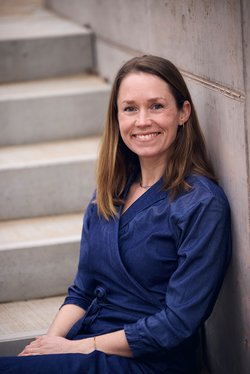
Support for new mothers can help improve public health
Physical activity in the after-birth period
Based on extensive register-based studies of Danish women’s activity level, Solvej Videbæk Bueno has pointed to a potential for increased collaboration in the after-birth period.
How do we get more people to lead healthy lives? According to doctor and PhD Solvej Videbæk Bueno, part of the answer can be to focus on a group of people who are already in close contact with the healthcare system, namely new mothers. Her PhD project has studied women’s level of activity in the after-birth period, which is characterised by physical, mental and everyday life changes. Her analysis of register data on more than 27,000 women shows that mothers have a 24 percent higher risk of not getting the exercise they should than women without children. “I also conducted qualitative co-creation workshops with health visitors, midwives, general practitioners, physiotherapists and mothers to learn how we can help new mothers adopt a healthier lifestyle. This showed that there is a potential for behavioural changes. New mothers already have regular contact with the healthcare system, and they are very motivated, as physical activity also benefits their children,” Solvej Videbæk Bueno explains. “I believe that we should give priority to prevention – both in research and practice. We can make a real difference if we can help people make the changes that will prevent them from becoming patients.” While completing her degree in general medicine, Solvej Videbæk Bueno works as a researcher and external associate professor at the Research Unit for General Practice Aarhus, where she is head of the MoveMOM project, which is based on ideas developed at the co-creation workshops and seeks to develop, test and disseminate a visual tool for health professionals.